
Warm and cold glazing is an opportunity to give a building a modern look, increase its sale value and improve its performance. Glazing protects the premises from precipitation, wind, noise and dust, improves thermal insulation and energy efficiency, and reduces heating costs. The technology is used for finishing balconies and loggias, gazebos and terraces, shop windows and entrance groups, facades, private houses and apartments, pavilions and winter gardens.
At first glance, it seems that the systems differ only in price. In fact, the difference is in the level of comfort and the scenarios for using the space. Find out about the differences between warm and cold glazing and learn how to choose the best options for your current needs.
What is cold glazing?
Cold glazing is a technology for the installation of lightweight aluminium and glass structures. Minimalist glass panels protect against wind and precipitation. They are made of aluminium without thermal breaks. Aluminium profiles support single glass without an air chamber. To save space, glazing is usually made in the format of sliding systems.
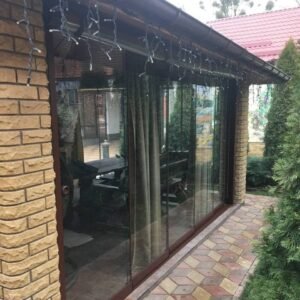
The main features are light weight and reduced thermal insulation. While a warm glazing system can weigh more than 70 kg per 1 m2, the weight of the cold version is about 40-45 kg per 1 m2. It is worth noting the lower price and ease of installation. Cold glazing is in demand when finishing balconies and loggias without heating, gazebos and other areas of seasonal use. This is a solution for balconies and loggias where the slabs are not designed for high weight loads. It is also suitable for arranging seasonal storage areas for bicycles, cans of preserves, and Christmas decorations.
What is warm glazing
Insulated glazing is the installation of double-glazed windows that retain heat, protect against drafts and allow you to use the space all year round. Materials are used to create the structure:
- Multi-chambered, airtight PVC profiles with an internal cavity divided by partitions and filled with air.
- Aluminium with thermal breaks. Lightweight, durable material with a polyamide insert that keeps the cold out.
- Multi-chamber double-glazed windows. Usually, double-glazed windows with 2 or 3 chambers are used for insulation.
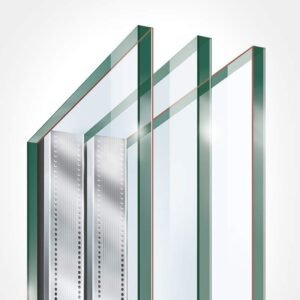
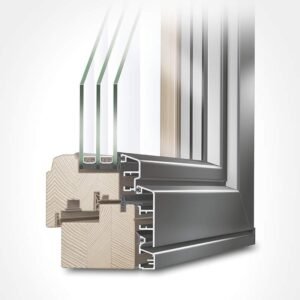
Warm glazing provides improved thermal and sound insulation. It protects the building from noise, cold and moisture. Provides conditions for creating a comfortable microclimate.
It is used in the construction of residential buildings, winter gardens, and heated terraces. This is a solution for loggias and balconies that are combined with a living room or turned into a work area...
The main differences between cold and warm glazing
Cold and warm glazing are fundamentally different formats that, despite their common concept, have different properties:
- Thermal insulation. The warm version retains heat - the room is suitable for year-round use. A balcony or terrace with cold glazing is only comfortable when the temperature outside is above freezing.
- Cost. Warm - more expensive due to the complexity of installation, the use of multi-chamber profiles and double-glazed windows. Cold is a budget option.
- Weight of the structure. Warm - heavy, due to the high weight of the materials. Cold - light and suitable for weak stoves.
- Profile. For the warm version, a multi-chamber PVC profile or aluminium with thermal breaks is used, and for the cold version, a single-layer lightweight aluminium without insulation.
- Type of glass or double-glazed unit. For warm glazing, you will need 2-chamber or 3-chamber double-glazed windows. For the cold version, single glazing is suitable.
- Purpose. Cold glazing is perfect for gazebos and terraces, as such rooms are usually not heated, and the installation of warm double-glazed windows in them is economically impractical. This option allows you to protect the space from wind, precipitation and dust at minimal cost, while providing lightweight construction and a sufficient level of comfort for seasonal use.
- Possibility of using the premises in winter. A room with warm glazing is suitable for year-round use. The single-glazed loggia is designed for the warm season.
Comparative table of operational and technical parameters:
| Warm glazing | Cold glazing | |
| Care | Requires careful adjustment and regular maintenance of fittings | Minimal maintenance is required. Especially in the case of sliding systems |
| Durability | 40-50 years with proper installation and operation | 25-35 years, aluminium is strong and reliable, but the glass is single |
Advantages and disadvantages of cold glazing
Cold glazing of a veranda, balcony or loggia protects against the vagaries of the weather and gives the building a modern, presentable look. Advantages:
- Minimum construction weight. It is even suitable for old balcony slabs that are not designed for the load.
- Affordable price. It is 2-3 times cheaper than warm glazing.
- Aesthetics and lightness. Thin aluminium profiles make the glazing visually weightless.
- Convenience of sliding systems. Ideal in rooms where there is little space for swing doors.
This is a budget option that turns a balcony into a well-maintained technical room. The disadvantages are that it cannot be used in full in winter, for example, you cannot equip a living room.
Advantages and disadvantages of insulated glazing
Sliding warm glazing of a loggia or terrace allows you to create a cosy space with a comfortable microclimate in any season. Main advantages:
- Year-round comfort. The temperature is stable and easy to adjust.
- Excellent noise insulation. Suitable for houses near the road or in the city centre.
- Expanding the usable area. You can arrange an office, a workshop, a lounge area, and a children's play area.
- Tightness and protection. Minimal drafts, dust and moisture.
Warm glazing turns a loggia or terrace into a full-fledged part of the home - a quiet room that is always a pleasure to be in. Disadvantages:
- High cost. Multi-chamber double-glazed windows and insulated profiles are more expensive.
- High weight. It is not always possible to mount on old plates without reinforcement.
- The need for full insulation of walls, floors, and ceilings. Otherwise, the energy-saving effect is lost.
It is worth noting the complexity of installation. Experienced professionals are required to install the structure.
How to choose: manufacturer's recommendations
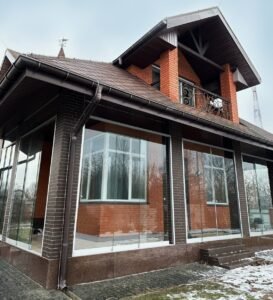 The right choice is always based on the formula: purpose, condition of the support, comfort and financial possibilities. If the balcony is to become part of your daily space, choose warm glazing. If you need a barrier against wind and rain, consider a cold version. Selection criteria:
- Purpose of the premises. If you need a guest bedroom or a play area, choose multi-chamber double-glazed windows. For a storage room for household items and sports equipment, a single pane is suitable.
- Insulation. Without comprehensive insulation of the walls, floor, and ceiling of the loggia, warm glazing loses its meaning - energy efficiency decreases by 40-60%.
- Budget. If the budget is limited, cold glazing is the best solution. In other cases, a warm version is available, possibly with a phased installation - first, the profile is installed, then the finish.
- Type of profile. Choose PVC or aluminium with a thermal break to keep the heat in. For visual lightness, go for classic aluminium.
Before installing insulated glass units, it is recommended to conduct a technical inspection to assess the condition of the balcony slab. Take into account the number of storeys and the noise level around the house. Strong gusts of wind are common on the upper floors - it is better to choose sealed systems. If the building is located close to a road, tram line or shopping centre, multi-chamber double-glazed windows will help to maintain silence and comfort. An important point is planning the future interior. If you plan to install furniture, electronics, plants, the room temperature should be above +20°C. Professional installation tips:
- Check the geometry of the openings - irregularities cause the sashes to become distorted.
- Don't skimp on the hardware that makes the difference between smooth opening, thermal insulation and durability.
- Use high-quality seals - this is a critical point for any type of glazing.
- Sealing is the key to comfort. The seams must be protected from moisture.
- Install drip edges and drip guards. They prevent leakage and corrosion of the lower profile elements.
Proper installation, the right materials and attention to detail make glazing durable and comfortable.
Splenko offers turnkey solutions for residential and business premises. You can order from us facade glazingsliding systems for terraces, loggias, pavilions, gazebos and other buildings. We will develop an individual project taking into account the architectural features and purpose of the building. We will perform professional turnkey installation of the system. Get a free consultation, assistance in choosing the type of glazing and cost calculation to create the most comfortable and aesthetic environment for living and commercial purposes.